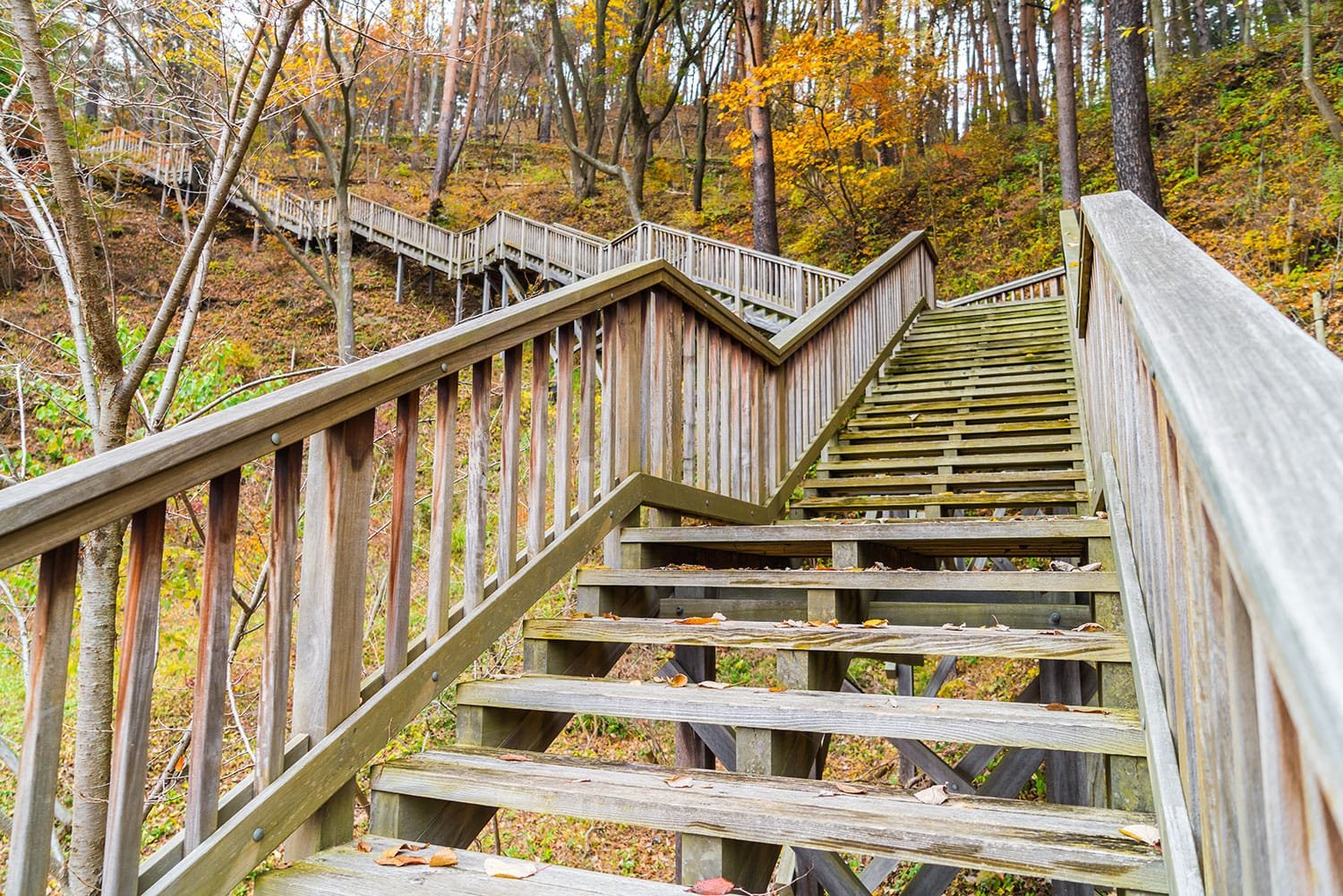

Deck Maintenance Terre Haute: Cleaning, Sealing, Winter Care
Get practical deck maintenance in Terre Haute: gentle cleaning routines, wood sealing schedules, composite care tips, rail and stair safety checks, and winter prep for Indiana’s freeze–thaw.
Deck Maintenance in Terre Haute: Quick Answer
In West-Central Indiana’s freeze–thaw climate, deck maintenance in Terre Haute stays simple when you clean gently twice a year, keep drainage gaps open, and check rails, stairs, and fasteners for movement. Wood decks typically need a fresh sealer or semi-transparent stain every 2–3 years; composite decking skips stain cycles but still benefits from soap-and-water cleaning and a quick hardware check. Keep gaps clear, redirect downspouts, avoid harsh chemicals, and fix small issues fast to prevent costly repairs. Ready to upgrade instead of repair? Explore our custom deck building services for custom wood and composite decks.
Takeaways (at a glance):
- Clean with a pH-balanced deck cleaner and soft brush each spring and fall; spot-clean after heavy pollen or leaf drop
- Seal or stain wood every 2–3 years (or when water stops beading); composites get a gentle wash instead
- Inspect rail brackets, stairs, hidden fasteners, and ledger flashing each season; tighten or replace as needed
- Keep drainage gaps open and plants trimmed for airflow so the frame dries quickly and water sheds properly
What This Guide Covers
This local guide to deck maintenance in Terre Haute walks you through the essentials for both wood and composite decking: how to clean with a pH-balanced cleaner and soft brush, when to seal or stain (using the water-bead test), and what to inspect seasonally such as hidden fasteners, rail brackets, baluster spacing, ledger flashing, joist tape, and more. You’ll also get Indiana-specific tips for freeze–thaw weather, proper drainage gaps and airflow, ~36″ frost depth realities, and safer winter care with calcium-magnesium de-icer.
Inside this guide:
- Cleaning methods: pH-balanced cleaner for wood; soap-and-water for composite caps
- Finish cycles: sealing/staining timelines, UV protection, and the water-bead test
- Safety & structure: hidden fasteners, rail/stair checks, ledger flashing, joist tape
- Weather-smart care: freeze–thaw drainage, frost-depth notes, winter prep without rock salt
Seasonal Maintenance Schedule for Indiana Weather
Spring Deck Maintenance in Terre Haute
A thorough spring clean for deck care in Indiana removes freeze–thaw grit and organic stains before summer sun bakes them in. Use a pH-balanced deck cleaner and a soft-bristle brush; avoid high pressure that raises wood grain or scuffs composite caps. Rinse well, let the surface dry completely, and make sure drainage gaps are open so the frame can dry.
- Wash boards and treads with a gentle cleaner and soft brush
- Clear debris from board gaps and stair nosings for proper drainage
- Inspect deck rails, posts, and hardware; tighten or replace as needed
- Check ledger flashing and post bases; look for rust, stains, or movement
Mid-Summer Deck Care (Terre Haute)
Heat and UV can raise grain on wood and make dark surfaces run hot. Spot-clean mildew and leaf tannins, add shade where needed, and confirm electrical is safe for outdoor use.
- Spot-clean spills (grease, sunscreen) quickly before they set
- Trim plants 6–12 inches from rails for airflow and faster drying
- Check lighting, GFCI outlets, and low-voltage connections; consider deck lighting ideas for safer nights
- Re-seat any proud screws; sand minor splinters on wood before they grow
Fall Deck Maintenance (Indiana)
Fall is your last best chance to send the deck into winter clean and dry. A good rinse and cleared gaps keep water from pooling and freezing when temperatures swing.
- Deep-clean surfaces and flush gaps so water flows freely
- Clear gutters and downspouts near the deck to avoid splash-back
- Re-check rail brackets and baluster spacing (<4″), stair stringers, and landing stability
- Shift furniture and planters slightly to avoid moisture “shadows”
Winter Deck Care in Terre Haute
Snow and ice stress both wood and composite. Protect the surface, mind traction on stairs, and use deck-safe de-icers around metal hardware.
- Remove debris; don’t let wet leaves sit against boards or posts
- Use a plastic shovel; avoid metal edges that can gouge caps or grain
- Skip rock salt; choose calcium-magnesium acetate (CMA) if de-icing is needed
- Sweep light snows so meltwater doesn’t refreeze on stair treads
Wood Deck Care in Terre Haute: Cleaning, Sealing, and Hardware
Cleaning. For deck maintenance in Terre Haute, wash wood boards with a pH-balanced or oxygen (sodium-percarbonate) cleaner and a soft-bristle brush. Avoid straight household bleach as it can weaken lignin and corrode metal. If you must use a pressure washer, use a wide fan tip, keep distance, and stay gentle to avoid raised grain. Rinse thoroughly and let the surface dry 24–48 hours (longer after rain or high humidity) so moisture isn’t trapped under finish.
Sealing & staining. Plan a 2–3 year cycle in Indiana’s freeze–thaw climate. A semi-transparent stain adds UV protection and sheds water better than clear sealers. Use the water-bead test: if water soaks in within seconds, it’s time. Prioritize rail tops, stair treads, and high-traffic paths, and back-brush for even penetration. Seal end-grain (board cuts) and consider a cooler, shaded application window for fewer lap marks.
Fasteners & structure. Tighten any proud screws that lift during summer heat. Swap corroded hardware for hot-dip galvanized or stainless (304/316) fasteners compatible with modern treated lumber. Confirm ledger flashing is intact, post bases sit above grade for airflow, and consider joist tape on exposed joist tops during a refinish to slow moisture intrusion and extend frame life.
Four common wood-deck mistakes to avoid:
- Blasting with high pressure and etching the surface
- Letting planters sit flat on boards with no airflow
- Skipping reseal cycles until boards turn soft or go gray through
- Using rubber-backed mats that trap moisture and discolor finishes
Composite Deck Care: Low Maintenance, Not Zero
Cleaning. For composite deck maintenance in Terre Haute, stick to soap, water, and a soft nylon brush. Rinse thoroughly and keep drainage gaps clear so rain and meltwater don’t sit on the surface. In Indiana’s freeze–thaw cycles, airflow matters and leave venting in skirting so the frame dries. Avoid wire brushes and be cautious with pressure washers; too much pressure can haze the capped surface.
Stains & scuffs. Treat grease, sunscreen, and tannin spots quickly with a mild detergent and a soft pad; for tough areas, use manufacturer-approved cleaners and test in a hidden spot first. Skip harsh solvents (acetone, MEK) that can soften or dull the cap. Lighter board colors and added shade reduce heat buildup and keep the surface more comfortable in July.
Hardware & framing. Seasonal movement can loosen hidden fasteners so re-seat any that sit proud. Check rail brackets, stair hardware, and any under-rail LEDs/low-voltage wiring. Make sure skirting is vented; trapped humidity around beams and joists shortens frame life.
Four composite-deck mistakes to avoid:
- Using solvent cleaners that haze or soften the cap
- Trapping leaves under unvented skirting so moisture lingers
- Ignoring loose rail brackets or wobbly newel posts
- Dragging metal chair legs that scuff or mar the cap
Deck Safety & Code Checks in Terre Haute
A quick, code-smart pass each season keeps your deck safer and helps it pass inspections in Vigo County. Use these checks as a homeowner guide, then verify specifics with your local AHJ (IRC rules can vary).
- Rails & guard height: Posts shouldn’t wiggle. Tighten brackets and confirm solid blocking at corners and stair openings. Typical guard height is 36″ on decks (some jurisdictions require 42″)—verify locally.
- Balusters & infill: Keep baluster spacing under 4″ and close any triangle openings at stair risers (<~6″). Replace loose connectors and confirm top/bottom rails are secure.
- Handrails (stairs): Use a graspable profile, continuous the full run, with returns at both ends. Typical handrail height is 34–38″. Add low-glare stair lighting for nighttime safety.
- Stairs & landings: Check for consistent riser heights and tread depths (no trip points), solid landings, and grippy treads free of algae/ice. Repair loose stringers, cracked treads, or missing nosing.
- Ledger & flashing: Where the deck meets the house, look for continuous metal/flashing + peel-and-stick and through-bolts/ledger screws (not nails). No staining, softness, or fastener corrosion at the rim.
- Joists & connections: Joist hangers should have the correct nails in every hole (no drywall screws). Add joist tape when refinishing exposed joist tops, and confirm blocking/bridging to reduce sway.
- Footings & posts: Footings should be below frost depth (~36″), with post bases above grade so they can dry. No heaving, rot, or standing water around columns; tighten beam-to-post hardware.
- Electrical & lighting: Exterior outlets must be GFCI and in wet-location boxes; protect low-voltage wiring for rail/step lights and check connections each spring and fall.
Pro tip: if any rail post moves, if you see ledger staining/softness, or if fasteners are rusted through, pause use and call a pro. Those are structural red flags worth fixing fast.
Tools, Cleaners, and Products That Work
Stock a small, deck-safe kit so routine deck maintenance in Terre Haute is quick, gentle, and effective. These choices protect wood grain, composite caps, and hardware in Indiana’s freeze–thaw climate.
- Cleaning kit: Soft-bristle nylon deck brush, garden hose or pump sprayer, and a pH-balanced/oxygenated wood cleaner (sodium percarbonate). For composites, use manufacturer-approved cleaners only. If you ever use a washer, stick to a wide 40° fan tip and keep your distance.
- Winter kit: Plastic shovel with a rounded edge, calcium-magnesium acetate (CMA) de-icer for icy steps, and a little traction sand for treads—skip rock salt near wood and metal hardware.
- Hardware & repair kit: Stainless or hot-dip galvanized screws (304/316), star/Torx driver, spare hidden fasteners/clips, and joist tape for exposed joist tops; keep an exterior-grade sealant for minor flashing touch-ups.
- Safety & comfort add-ons: GFCI tester and wet-location covers, breathable outdoor rugs (no rubber backing), a grill mat that extends past the grease zone, planter risers for airflow, and non-slip tread strips on stairs.
Eight Easy Habits for a Longer-Lasting Deck
- Sweep often to keep grit from scratching wood grain or composite caps; clear drainage gaps so water sheds and joists dry
- Use breathable outdoor rugs; avoid rubber-backed mats that trap moisture and stain finishes
- Lift—don’t drag—furniture (and grills); add felt or nylon feet to prevent scuffs and gouges
- Place a full-size grill mat that extends past the grease zone to protect boards from oil and embers
- Keep planters on risers for airflow under pots and to prevent “moisture rings” on boards
- Redirect downspouts and sump discharge away from posts and footings; keep splash-back off the ledger
- Trim shrubs and vines 6–12 inches from rails and skirting to improve airflow and reduce mildew
- Fix small issues fast: re-seat proud screws, tighten rail brackets, and spot-seal end grain before problems spread
Frequently Asked Questions On Deck Maintenance In Terre Haute
How often should I clean my deck?
Twice a year, spring and fall is the sweet spot for deck maintenance in Terre Haute. Add quick spot cleans after heavy pollen or leaf drop so grit and tannins don’t stain or get ground in. Keep drainage gaps clear so the frame dries fast in our freeze–thaw climate.
Can I pressure wash my deck?
Use caution. High pressure raises wood grain and can etch composite caps. If you must, use a wide 40° fan tip, keep a safe distance, and test in a hidden spot—then rinse thoroughly.
How do I keep my deck safe in winter?
Use a plastic shovel to avoid gouging wood or composite caps and skip rock salt. If de-icing is necessary, choose calcium–magnesium acetate (CMA) near wood and metal hardware. Sweep light snow so meltwater doesn’t refreeze on stair treads.
When should I seal or stain a wood deck?
Typically every 2–3 years, or whenever water stops beading on the surface. Semi-transparent stains add UV protection and last longer than clear sealers. Prioritize rail tops, stair treads, and high-traffic paths, and recoat end-grain to block moisture.
How is composite deck maintenance different?
No staining cycles—just soap-and-water cleaning and seasonal hardware checks. Keep drainage gaps open, avoid harsh solvents, and re-seat any proud hidden fasteners or loose rail brackets. Lighter colors and added shade reduce summer heat on capped boards.
What are the biggest deck-care mistakes?
Letting leaves sit all winter, dragging furniture, using rubber-backed mats that trap moisture, and blasting with high-pressure tips. Ignoring loose rails, raised screws, or ledger staining can turn small fixes into structural repairs.

Need further assistance?
Unsure about something? Get in touch with us for a personalized consultation.
Schedule Your Deck Maintenance Visit
From gentle cleaning to sealing, hardware checks, and winter prep, we handle it all—wood and composite. Get a clear, local quote and a deck that’s ready for every season.
Serving Terre Haute, Clinton, Rockville, and surrounding areas.