
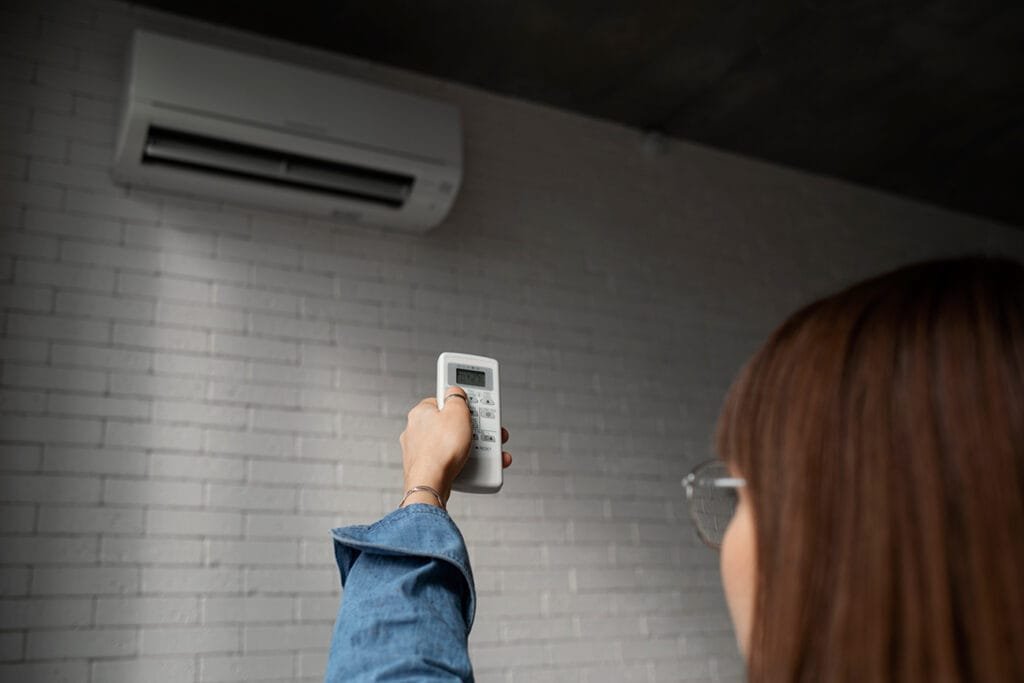
Basement Heating & HVAC Options for Indiana Homes
A finished basement is only as comfortable as its climate control. In Indiana’s long heating season, below-grade spaces can run 5–15°F cooler than main floors, and summer humidity can make them feel clammy even when the thermostat looks fine. The right plan blends steady heat, controlled airflow, and year-round moisture management, so your lower level feels like true living space, not an afterthought.
TL;DR
A comfortable finished basement starts with the right heating and humidity plan. Seal and insulate foundation walls, add a real basement return for airflow, and keep humidity around 45–50%. Most Terre Haute homes work best with either a properly balanced duct extension or a ductless mini-split system, often paired with radiant floor heat for comfort underfoot. Dry the air first, then heat it, the formula for a basement that feels like true living space year-round.
Why basements feel cold—and what to address first
Basements sit against cool soil and concrete that act like thermal sponges, pulling heat from the air and floors. That conductive heat loss, plus limited sunlight and longer duct runs, leaves rooms that read warm on the upstairs thermostat but still feel chilly or damp. Comfort improves fastest when you tighten the envelope and improve air mixing, not by oversizing equipment.
Start with continuous insulation on foundation walls (rigid foam behind drywall), careful rim-joist air sealing, and attention to slab-edge losses. Add a real basement return so the HVAC can actually pull air from the space, then aim supplies across the longest throw toward exterior walls to wash cold surfaces. Control moisture early with dehumidification so relative humidity stays near 45–50%—dry air feels warmer, protects finishes, and lets heat do its job.
First fixes that move the needle:
- Continuous foam insulation on foundation walls and sealed rim joists (air barrier + vapor control)
- True basement return-air pickup and balanced supply register placement for better mixing
- Dehumidifier sized to the finished square footage with reliable drain or condensate pump
- Zoning or a dedicated control so basement runtime isn’t cut short by the upstairs thermostat
Extending the main ducted system
If your forced-air furnace/air handler has headroom, tying the finished basement into the existing HVAC is usually the cleanest, most cost-effective route. The mistake is “just add a supply.” Comfort depends on airflow balance: enough CFM delivered to the coldest surfaces and an actual return-air pathway so the system can pull from the basement, not just push into it. Start with a Manual J load that includes insulation, drywall, and flooring; then size trunks/branches with Manual D so static pressure stays in a healthy range and the ECM blower isn’t overworked. Use sealed metal duct (mastic on joints, R-8 where outside the envelope), smooth transitions, and diffusers aimed for long throw across exterior walls to wash cold concrete.
Many basements feel underheated because return air is missing or undersized. Add a true return grille in the basement zone (not the stairwell) and ensure doors have transfer air via undercuts or grilles so rooms don’t go positive/negative and starve circulation. If the upstairs thermostat ends the cycle too soon, a simple zoning panel with motorized dampers or a dedicated basement control balances runtimes without overheating main-floor rooms. After install, commission the system: measure temperature split, verify delivered CFM, set balancing dampers, and confirm quiet operation at typical fan speeds.
Checklist for a successful tie-in (quick scan):
- Manual J/S/D used for load and duct design; confirm available static and blower capacity
- Dedicated basement return-air sized for actual flow; add transfer air where doors close
- Sealed, insulated branches with smooth fittings; supply diffusers aimed for proper throw
- Zoning or separate control if the upstairs stat short-cycles; verify with post-install airflow and RH checks
Standalone options for precise control
When the main system lacks capacity or you want true zoned comfort then a standalone solution shines. Ductless mini-split heat pumps are the most efficient all-in-one choice for heating and cooling a finished basement. Look for cold-climate models with published capacity at 17°F (and ideally 5°F) so they keep delivering steady, quiet heat through typical Indiana winters. Head placement matters more than brand: mount the indoor unit where it can throw air across the longest dimension and wash exterior walls, and route condensate cleanly to a drain or pump. In Terre Haute homes with mixed uses (theater, office, guest room), a mini-split gives independent temperature control and low operating cost.
If your goal is premium comfort underfoot, electric radiant floor heat is the upgrade that eliminates the “cool slab” feel on tile or LVP. Treat it as a comfort layer rather than the only heat source; pair radiant with either a mini-split or a properly balanced duct extension so you get both warm surfaces and good air mixing/dehumidification. For small offices or hobby rooms on a tight budget, electric wall or baseboard heaters are simple, quiet, and easy to control with smart thermostats, just plan dedicated circuits and realistic kWh expectations. Where natural gas is already available and venting is straightforward, a direct-vent gas unit can deliver strong output with sealed combustion; follow manufacturer clearances, install CO detectors, and schedule annual safety checks.
Quick guidance for selection:
- Need efficient heat + A/C and independent control? Choose a cold-climate ductless mini-split.
- Want warm floors and lower perceived chill? Add electric radiant as a comfort layer.
- Fitting out a small room on a budget? Use electric wall/baseboard with smart scheduling.
- Have gas on site and an easy vent path? Consider a direct-vent heater with proper safety.
Moisture, ventilation, and the “dry first” rule
Heating a damp basement just creates a warm, damp basement. Comfort and durability come when relative humidity is controlled first, airflow is balanced second, and heat is added last. Target 45–50% RH year-round; below that, rooms feel warmer at the same thermostat setting, odors fade, and finishes stay out of the mold/mildew danger zone. Start by addressing sources: slab and wall moisture (capillary wicking), unsealed rim joists, and uninsulated metal ducts that sweat at the dew point. A correctly sized dehumidifier (match pints/day to finished square footage) with a reliable condensate pump or gravity drain keeps humidity steady without constant bucket emptying. Seal and insulate supply trunks/branches to prevent condensation, and verify you have a real basement return so the system mixes air rather than trapping moisture in corners. If the space is regularly occupied, add a simple, code-compliant fresh air strategy. An ERV/HRV or timed outdoor air so the basement isn’t a closed loop.
Quick moisture plan:
- Fix sources first: continuous foam on foundation walls, sealed rim joists, capillary breaks at slab where possible
- Control RH: right-size dehumidifier to 45–50% with a pumped or gravity drain and a hygrometer to monitor
- Stop condensation: seal/insulate metal ducts, set bath fans to exhaust outdoors, insulate cold water lines
- Mix air: add a true basement return and aim supplies for long throw to wash cold surfaces
Bathroom ventilation specifics:
- Size fans to at least 1 cfm per sq ft (or per code), low-sone so they actually get used
- Use timers or humidity controls for 20–30 minutes post-shower
- Insulate duct runs and terminate outside (never into the attic or soffit cavity)
- Keep door undercuts or transfer grilles so steam can reach the return path
What works best for Terre Haute area homes
In West-Central Indiana’s climate, basements face long heating seasons, humid summers, and older duct systems that weren’t designed for conditioned lower levels. The most reliable comfort setups we see across Vigo, Vermillion, and Parke counties fall into two clear categories.
For homes where the furnace or heat pump still has spare capacity, the best move is to extend the main ducted system properly. Seal and size every new branch, add at least one true return in the basement zone, and include basic zoning or a dedicated control so the basement can call for heat independently. This approach keeps air moving, prevents stratification, and lets your primary HVAC handle the load efficiently. Always combine it with built-in dehumidification to maintain 45–50% RH; dry air delivers more perceived warmth and protects drywall, flooring, and furnishings from musty odors or condensation.
For finished basements with multiple uses a theater, guest suite, office, or workout area a ductless mini-split system is often the smarter long-term investment. It provides precise temperature control, excellent energy efficiency, and quiet operation without upsetting the balance of the main ducts. Pair the mini-split with a small electric radiant floor zone in tiled or luxury vinyl areas to eliminate residual floor chill and create that “main-floor comfort” feel year-round.
Both strategies share one theme: condition and dehumidify together. When temperature, airflow, and moisture are in sync, Terre Haute basements stay warm, quiet, and completely usable through every Indiana season.
Small details that make a big difference
Air distribution, not just total BTUs decides whether a basement feels truly comfortable. Place supply registers to throw across the longest dimension and wash exterior walls, windows, and seating zones; that reduces cold-surface radiation and stratification. Keep return grilles out of the immediate supply airstream so the room mixes before air is pulled back to the air handler. After commissioning, verify performance, not guesses: measure room temperature and relative humidity with a simple thermometer/hygrometer for a week, and note how quickly the space recovers after doors open, showers run, or the system cycles. If readings say “warm” but the room still feels cool, you’re likely short on mixing (CFM and diffuser throw) or lacking a real return, not underpowered on heating capacity.
Quick verification checklist:
- Diffuser throw reaches exterior walls; no drafts at seating height
- Return grille located to promote room mixing, not next to supplies
- Measured static pressure within spec; balancing dampers set by CFM, not guesswork
- One-week log of temp/RH confirms stable 68–72°F and 45–50% RH during occupied hours
Energy and code notes (Indiana-practical)
Indiana’s energy codes and long heating season make insulation, air sealing, and ventilation more important than bigger equipment. Start with rim joists, the most common comfort leak in older Terre Haute homes. Air-seal and insulate them with rigid foam sealed at the edges, or closed-cell spray foam, to stop infiltration and condensation. Keep foundation walls continuously insulated behind drywall with rigid foam or spray foam so you maintain a true thermal break from concrete to air space.
When adding electric radiant or baseboard heat, size circuits for continuous loads (125% of rated amperage) and verify dedicated breakers. Gas appliances or direct-vent heaters must meet manufacturer clearances and termination requirements, with sealed combustion preferred for indoor air quality. Vent all bath fans and dehumidifiers outdoors, not into soffits or attics, and choose quiet, low-sone models so they actually get used.
Finally, follow life-safety basics every time: smoke and carbon-monoxide detectors on each level and near sleeping areas, GFCI protection for outlets near moisture sources, and proper labeling of any new circuits. These small steps make a finished basement both code-compliant and comfortable for the long haul.
Frequently Asked Questions On Basement Heating & HVAC
What’s the best way to heat a finished basement in Indiana?
The most effective setup depends on your existing HVAC capacity and how the space is used. If your furnace or heat pump has headroom, extending ducts with a proper return and zoning control is efficient and affordable. For basements with mixed uses or limited duct capacity, a ductless mini-split heat pump provides independent comfort and strong efficiency in cold Indiana winters.
What humidity level should a finished basement stay at?
Aim for 45–50% relative humidity year-round. That range feels comfortable, minimizes mold and mildew, and helps HVAC systems heat more efficiently. A standalone dehumidifier or integrated whole-house unit with a reliable drain or pump works best for Indiana’s humid summers.
Is radiant floor heat enough to warm the whole basement?
Electric radiant heat is best treated as a comfort layer rather than the sole heat source. It warms tile and luxury vinyl floors beautifully, but air temperature and humidity still need to be managed by a mini-split or ducted system. Combining radiant floors with a dehumidifier or small air handler gives full comfort.
Should I heat my basement all winter or only when I use it?
It’s better to keep the basement at a steady, moderate temperature (around 65–68°F) rather than letting it drop too far and reheating it repeatedly. Consistent warmth helps prevent condensation, keeps humidity stable, and protects drywall, flooring, and framing from seasonal expansion and contraction.
Can a ductless mini-split really heat a basement in cold weather?
Yes. Modern cold-climate mini-split systems are designed for subfreezing temperatures and maintain full heating capacity down to 5–17°F. Proper sizing and placement are key, install the indoor head where air can move freely across the largest open area, and make sure condensate lines are protected from freezing.
Do basements need fresh-air ventilation if they already have HVAC?
Yes, especially if the basement is finished and regularly occupied. Most existing systems were designed for upstairs air exchange only. Adding an energy recovery ventilator (ERV) or time-controlled fresh-air intake helps prevent stale air, odors, and excess humidity in closed basement zones.

Need further assistance?
Unsure about something? Get in touch with us for a personalized consultation.
Ready to make your basement feel like real living space?
Warm, dry, and quiet isn’t luck, it’s a plan. We design and install basement HVAC and dehumidification that actually works in West-Central Indiana homes.
Serving Terre Haute, Clinton, Rockville, and surrounding areas.
