
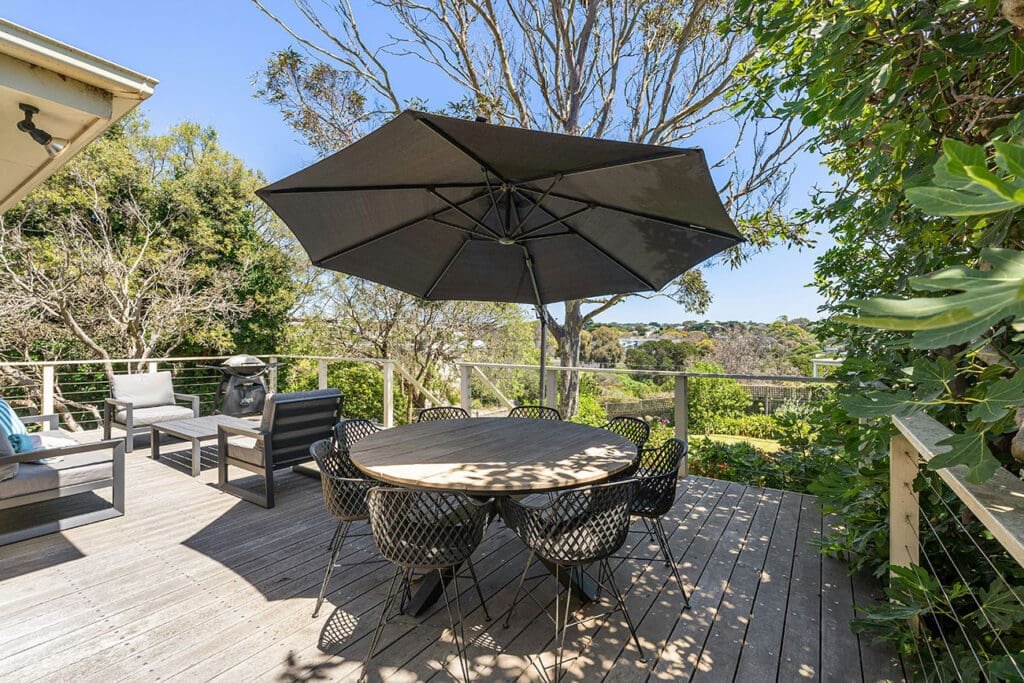
Wood Decking in Terre Haute, Indiana: Pressure-Treated, Cedar & More
Prefer the warmth of real wood? This guide compares pressure-treated pine, cedar, and other wood decking options for Terre Haute and Indiana homes, including durability, maintenance, lifespan, installation details, and when wood beats composite. If you’re ready to build, request a local estimate today.
Why Wood Decking Still Wins in Indiana
Real wood decking gives Terre Haute homeowners a warm, natural look with easy repairability and a lower upfront cost than many composites. In Indiana’s four-season climate freeze–thaw cycles, summer UV, rain, and humidity, choosing the right species (pressure-treated pine, KDAT-treated lumber, or cedar) and using proper waterproofing (ledger flashing, joist tape, ventilation gaps) helps a deck last for decades with routine care.
- Classic curb appeal and “real wood” feel underfoot that stains beautifully to match your home
- Budget-friendly installation with flexible long-term ownership (clean, stain, or replace individual boards)
- Durable performance in Midwest weather when built with code-compliant framing and corrosion-resistant fasteners
- Local availability and service: designed, permitted, and installed by Terre Haute deck contractors who know Vigo County requirements
Tip: If you’re comparing wood vs composite, remember total cost of ownership. Wood’s lower initial price plus simple refinishing often delivers excellent ROI for Indiana backyards and outdoor living spaces.
Best Wood Options for Terre Haute & Vigo County
Indiana’s freeze–thaw cycles, summer UV, rain, and humidity demand species that hold up over time. These options work well across Terre Haute, Vigo County, and nearby Indiana communities, especially when paired with proper flashing, joist tape, and ventilation gaps.
Pressure-Treated Pine (PT)
The budget-friendly staple for both decking and framing that performs well in Midwest climates.
- Modern treated lumber resists rot and insects; KDAT (kiln-dried after treatment) boards reduce shrinkage and cupping
- Accepts stain and sealers easily, letting you refresh color and protection every few years
- Pairs best with hot-dipped galvanized, ZMAX, or stainless fasteners to match treatment chemistry
- Strong availability in Indiana keeps material lead times and costs predictable
Cedar
Naturally durable with a premium, warm appearance that’s popular on visible surfaces.
- Excellent dimensional stability and rot resistance for open decks and rail systems
- Smoother surface out of the box means less sanding and a more refined finish
- Stains beautifully; semi-transparent finishes highlight grain while adding UV protection
- Common Terre Haute approach: cedar for boards/rails over a pressure-treated frame for value
Redwood & Alternatives
Great performance, but supply and price can be challenging in Indiana, consider regional substitutes.
- Redwood offers excellent decay resistance and a rich look, but freight can elevate cost
- Thermally modified wood (e.g., modified ash or pine) improves stability and moisture resistance
- Select-grade PT or appearance-grade PT can mimic higher-end looks at a lower price point
- If you want a specific color/tone, confirm local sourcing timelines and budget impacts
Structural Lumber vs. Decking Boards
Match materials to their job so the deck ages evenly and meets code in Indiana jurisdictions.
- Use pressure-treated structural lumber for ledgers, beams, and joists to meet span charts
- Choose cedar or treated boards for the walking surface; keep consistent board gaps for drainage
- Add ledger flashing, joist/beam tape, and a small ventilation gap at skirting to speed drying
- Specify compatible hangers, connectors, and corrosion-resistant screws for treated framing
Lifespan & Maintenance in Terre Haute
Indiana’s freeze–thaw cycles, UV, humidity, and snow demand a realistic care plan. In Vigo County, wood decks last longest when you follow a set maintenance rhythm, clean, inspect, and protect rather than waiting until the boards look tired. Consistent upkeep keeps moisture out, limits checking and cupping, and preserves color.
Finishes and Recoat Timing
Transparent and semi-transparent finishes typically need refreshing every 2–3 years; solid stains often stretch to 3–5 years in Terre Haute. Southern exposures, pool areas, and uncovered decks weather faster and may need spot recoats sooner. For best results:
- Test with a splash: if water no longer beads, it’s time to clean and recoat
- Use wood-friendly cleaners (oxygenated/percarbonate); avoid harsh pressure that raises grain
- Back-brush stains for even penetration; seal board ends and fresh cuts
- Consider KDAT or cedar for more predictable finish cycles in Indiana’s climate
Seasonal Care Checklist
- Spring: Gentle wash, brighten if needed, inspect fasteners and rail posts, spot-seal cut ends
- Summer: Quick rinse to remove pollen, check gates/hinges, address any raised fasteners
- Fall: Clear leaves and debris, confirm drainage paths, recheck stair treads and landings
- Winter: Avoid metal shovels; use deck-safe ice melt sparingly; keep snow from piling against skirting
Common Failure Points to Watch
Moisture concentrates where water sits or airflow is restricted. Focus inspections here:
- Board Ends & Seams: End-seal cuts; watch for checking and soft spots at butt joints
- Stair Stringers & Landings: Keep clear of soil and leaf buildup; verify solid, non-spongy treads
- Posts, Ledgers & Flashing: Ensure ledger flashing is intact; look for staining that signals leaks
- Enclosed Skirting: Maintain a ventilation gap so framing dries after rain and snow
Protection upgrades for longevity in Terre Haute:
- Apply joist and beam tape to shield fastener penetrations from standing water
- Use hot-dipped galvanized, ZMAX, or stainless fasteners compatible with treated lumber
- Keep consistent board gaps for drainage; avoid trapping debris at picture-frame borders
- Re-tighten connectors annually; confirm hangers and hardware remain corrosion-resistant
Wood vs. Composite: When Wood Is the Better Choice
Composite is excellent for low maintenance, but real wood remains a top pick in Terre Haute and across Indiana, especially when you factor in feel, flexibility, and total cost of ownership. In a Midwest climate with freeze–thaw cycles and summer UV, wood decking can deliver decades of service with routine care and smart detailing (ledger flashing, joist tape, ventilation gaps).
- Aesthetics & Feel: Real grain, warmer underfoot, quieter steps, and a natural look that stains beautifully to match siding or trim (great curb appeal for Indiana homes)
- Budget & ROI: Lower upfront cost vs many composites; predictable maintenance (clean, stain, seal) keeps long-term ownership affordable while preserving value
- Repair & Refresh: Spot-sand scratches, replace a single board, or re-stain the surface easy fixes without replacing entire sections
- Site Conditions & Heat: Wood generally runs cooler in full sun than many composite boards, which can retain heat on south-facing decks
- Design Flexibility: Easy to trim, scribe, and customize on site for picture-frame borders, inlays, and tight transitions at doors and stairs
- Future Upgrades: Build a robust, code-compliant treated frame today and re-deck later switching from wood to composite is straightforward if spans, fasteners, and flashing are done right
Smart approach for Terre Haute: Install a properly engineered frame (pressure-treated structure sized to span charts, stainless/galvanized hardware, ledger flashing, joist/beam tape, consistent board gaps). Choose wood decking now for the natural look and lower initial price. If preferences change, you can re-deck with composite years later without rebuilding the structure.
Installation Details That Make Wood Last
In Indiana’s climate, craftsmanship and moisture control determine how long your wood deck looks and feels great. Prioritize drainage, airflow, and corrosion resistance, and you’ll add years to the service life.
Joist Spacing and Board Orientation
Most wood decking is comfortable at 16″ o.c.; tighten to 12″ o.c. for diagonal patterns, borders, or heavy-use areas. Crown joists consistently, keep board gaps uniform for drainage (typically 1/8″–3/16″), and follow span guidance for stairs and landings.
- Use KDAT or well-acclimated boards to reduce shrinkage and cupping
- Pre-drill near board ends to minimize splits, and end-seal fresh cuts
- Picture-frame borders? Verify blocking so edges stay flat and fasteners hold
- Check nosing and riser code on stair treads; maintain consistent gaps for runoff
Flashing, Joist Tape, and Ventilation Gaps
Water management is the difference-maker in Vigo County’s freeze–thaw and summer humidity. Flash the ledger properly, protect horizontal framing, and keep air moving.
- Continuous, code-compliant ledger flashing with end dams; avoid fastener holes in flashing
- Apply joist/beam tape to shed water from screw penetrations and slow rot
- Maintain a small ventilation gap at skirting and between decking and fascia
- Slope waterproof surfaces slightly away from the house and clear debris traps at borders
Fasteners and Hardware for Treated Lumber
Match hardware to treatment chemistry and exposure. Corrosion resistance preserves both structure and appearance.
- Use hot-dipped galvanized, ZMAX, or stainless steel fasteners; stainless is preferred near pools or high-exposure areas
- Choose compatible hangers and connectors; avoid mixing metals that can galvanically corrode
- Face-screws or trim-head screws provide reliable hold and easy board replacement; hidden clips can work with the right profile but verify manufacturer guidance
- Drive screws flush (not over-set), and re-tighten hardware during spring maintenance
What Affects Price on a Wood Deck in Terre Haute
For detailed numbers by size and features, look at our Deck Cost in Terre Haute page. Below are the biggest pricing levers for wood decking in Vigo County—kept light to avoid cannibalizing your cost page but rich in signals for Google/AI.
Key Cost Drivers (Terre Haute & Indiana)
- Size & Elevation
Larger square footage and taller decks require more framing, posts, and labor. Elevated or two-story decks need beefier beams, additional bracing, and safer stair runs (affects cost per square foot). - Framing Specs & Structure
Heavier live loads, longer spans, and picture-frame borders mean upsized joists/beams, extra blocking, and more connectors. KDAT upgrades and joist/beam tape increase durability and price but lower long-term maintenance. - Stairs & Railings
Multi-flight stairs, wide treads, metal balusters, or premium rail systems add material and install time. Gates, drink rails, and custom posts also move the needle. - Site Conditions & Footings
Slopes, clay soils, tight access, or landscaping obstacles change footing count/size (sonotubes, bell footings, or helical piers) and extend labor. Haul-away distance and staging area also matter. - Features & Upgrades
Picture-frame borders, skirting, fascia, integrated lighting, privacy screens, pergolas, benches, planters, and under-deck drainage (dry space) all add complexity and cost. - Material Grade & Sourcing
Species (pressure-treated pine vs cedar), appearance grades, longer board lengths for fewer seams, and local availability or lead times in Indiana can shift budgets. Stainless hardware near pools or high-exposure areas increases ticket price but improves lifespan.
Tip to hit a budget target: Build a durable, code-compliant treated frame now with treated surface boards; upgrade to cedar rails/fascia or even re-deck to composite later. This staggers spend while preserving long-term flexibility.
Our Wood Deck Process in Terre Haute
Built for Indiana weather, code-compliant in Vigo County, and dialed for long-term durability. Here’s how we deliver a wood deck that looks great and lasts.
1) Design & Permits
We engineer the details before a single hole is dug, so inspections pass cleanly and the deck performs through freeze–thaw cycles.
- Confirm loads, spans, and stair geometry to current code and span charts
- Specify footing depth for local frost conditions and soil (inspector-approved)
- Prepare plan set, submit permits, and coordinate Terre Haute/Vigo County inspections
- Select species (pressure-treated pine, cedar) and finish system to match use and sun exposure
2) Precision Framing
Straight, level, and true framing is the foundation of a quiet, solid deck.
- Install properly flashed ledger with correct fastener schedule and corrosion-resistant connectors
- Size beams/joists to spans; crown and align joists; add blocking at borders and stairs
- Maintain consistent board gaps for drainage; pre-seal end grain on cuts to reduce checking
- Verify rail post attachment, stair stringer bearing, and landing details for code compliance
3) Waterproofing Details
Moisture control is everything in the Midwest, manage water, add airflow, and protect penetrations.
- Continuous ledger flashing with end dams; avoid fastener penetrations through flashing
- Joist and beam tape to shed water from screw holes and slow rot at horizontals
- Ventilation gap at skirting and behind fascia so framing dries after rain and snow
- Slope away from the house where applicable; clear debris traps at picture-frame borders
4) Finish & Warranty
A clean handoff plus clear care guidance protects your investment and curb appeal.
- Board prep, stain/seal recommendations (transparent, semi-transparent, or solid)
- Final walkthrough and punch list, debris haul-off, and jobsite cleanup
- Written warranty terms plus seasonal care checklist for Terre Haute conditions
- Option to enroll in a maintenance plan (spring clean/inspect and timed recoats)
Frequently Asked Questions On Wood Decking In Indiana
Which wood lasts longest for decks in Indiana?
Cedar and premium pressure-treated pine both perform well in Indiana’s freeze–thaw climate. Cedar offers natural rot resistance and dimensional stability; high-grade treated lumber provides strong value and stain versatility. Longevity depends heavily on moisture control, roper ledger flashing, joist/beam tape, ventilation gaps, and corrosion-resistant fasteners often matter more than species choice.
Will treated wood warp or crack?
Some movement is normal as boards acclimate. To minimize cupping and checks, choose KDAT where available, pre-seal end grain on fresh cuts, maintain consistent board gaps, and use compatible screws (hot-dipped galvanized, ZMAX, or stainless). Regular cleaning and timely recoats keep moisture out and reduce surface checking.
What’s the typical lifespan of a wood deck frame?
A well-built, code-compliant treated frame in Indiana can last 20–30+ years. Service life improves with joist/beam tape, proper flashing, and good airflow. Decking boards may be refreshed or replaced earlier depending on sun exposure, snow load, and finish maintenance.
How often should I stain or seal a wood deck in Terre Haute?
Plan on every 2–3 years for transparent or semi-transparent finishes and 3–5 years for solid stains. South-facing or uncovered decks in Terre Haute may need touch-ups sooner. Use a water-bead test each spring; if water soaks in instead of beading, clean and recoat. KDAT boards and cedar can make finish cycles more predictable.
Can I switch to composite later on the same frame?
Often yes. If your pressure-treated frame meets current span charts, fastener requirements, and ledger flashing standards, re-decking from wood to composite is straightforward. During a site visit, we verify joist spacing, connector condition, and ventilation so the upgrade performs like new.
Do you handle permits and inspections?
Yes. We prepare the plan set, confirm frost-depth footings, and coordinate permits and inspections for Terre Haute and Vigo County. Our process aligns with local code, including ledger attachment, guard/stair requirements, and corrosion-resistant hardware.

Need further assistance?
Unsure about something? Get in touch with us for a personalized consultation.
Ready to Build a Warm, Lasting Wood Deck?
From species selection (pressure-treated, cedar) to clean framing and stain choices, we make Indiana-tough decks that age gracefully.
Serving Terre Haute, Clinton, Rockville, and surrounding areas.
